Making Christmas Magical for Kids with Anxiety: Gentle Strategies for a Joyful Holiday
Discover heart‑warming, anxiety‑friendly ideas to turn Christmas into a calm, joyful celebration for your child. From sensory‑safe decorations to soothing holiday routines, these tips help families create unforgettable memories.
 Call to Santa Team6 min read

Set Up a Calm Christmas Countdown
For children who experience anxiety, the excitement of the season can quickly become overwhelming. Instead of a frantic countdown with flashing lights and loud music, create a gentle, visual calendar that the whole family can follow. Use a simple paper chain, a felt board with removable felt numbers, or a magnetic board. Each day, your child can move a marker forward, revealing a small, predictable activity—like reading a holiday story, baking a single cookie, or drawing a snowflake. The visual progress gives a sense of control and reduces the fear of the unknown.
Pair the calendar with a predictable routine: same bedtime, same quiet wind‑down time, and a consistent place for the calendar in the home (like the kitchen table). Predictability is a powerful anxiety‑reducer because it lets the brain anticipate what comes next.
Design a Sensory‑Friendly Holiday Space
Bright lights, clanging ornaments, and bustling music can be overstimulating. Choose a corner of the house where you can control sensory input. Dim the lights, use soft fairy lights with warm amber tones, and swap loud holiday music for gentle instrumental versions or nature sounds (like a crackling fireplace or soft snowfall). Offer a few tactile objects—soft blankets, a weighted lap pad, or a plush reindeer—to give your child something calming to hold.
Let your child help pick out a few “comfort items” for the holiday space. When they see their own choices reflected, it boosts confidence and reduces the feeling that the season is being imposed upon them.
Create a Predictable Gift‑Opening Routine
Gift‑giving can be a source of both excitement and stress. To keep it manageable, set clear expectations before the big moment. Explain that each child will open one present at a time, pause to talk about what they feel, and then move on. Use a visual cue—like a red ribbon on the gift—to signal it’s their turn.
Consider “quiet opening” options: a small, calm area with a soft rug, a favorite stuffed animal, and a calming scent (like lavender or vanilla). If your child feels anxious about the surprise, let them peek at a picture of the gift (or a hint) beforehand. The element of surprise can be thrilling, but for anxious children, a little foreknowledge can transform nervous energy into joy.
Involve Kids in Low‑Pressure Holiday Prep
Active participation gives children a sense of agency, which can soothe anxiety. Choose tasks that are simple and have a clear start and finish. Examples include:
- Sticking felt ornaments on a felt tree.
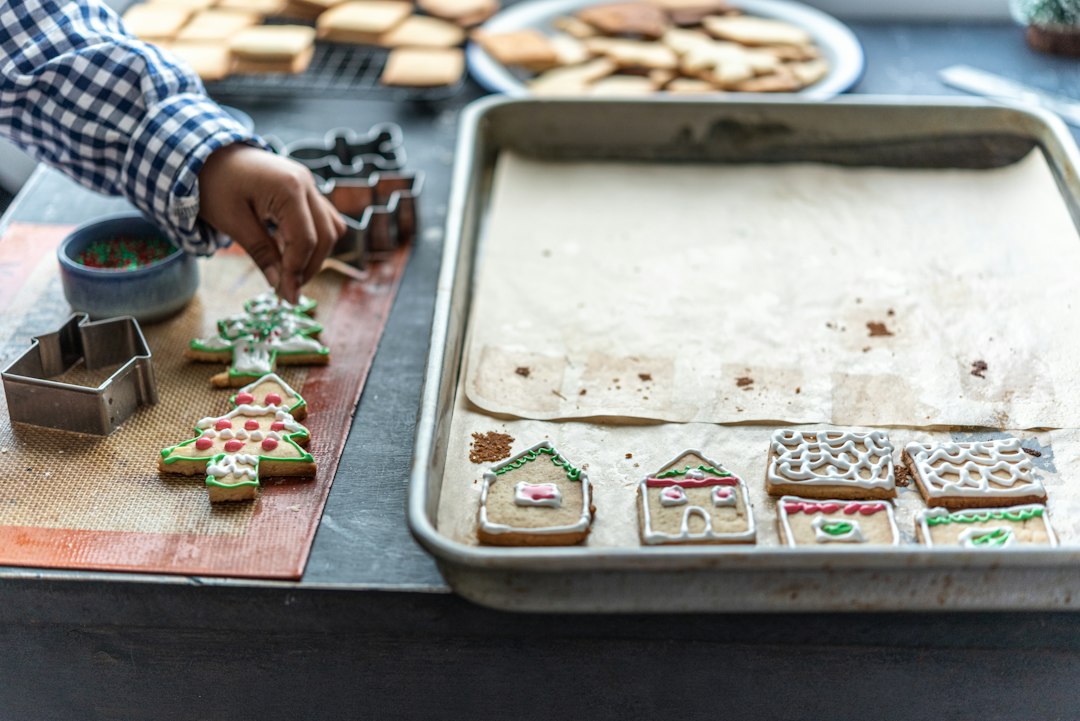
- Measuring and pouring ingredients for sugar cookies (with adult supervision).
- Sorting holiday socks by color or pattern.
Keep instructions brief and use visual checklists. A small laminated sheet with pictures of each step helps children follow along without feeling overwhelmed by verbal directions.
Plan Quiet Moments Throughout the Day
Even the most joyful holidays need breathing space. Schedule short, intentional “quiet breaks” where the family can sit together, dim the lights, and practice a calming technique. Options include:
- Five‑minute guided breathing (inhale for four counts, hold for four, exhale for six).
- Gentle stretching or yoga poses for kids, like the “snowflake stretch.”
- Listening to a short, soothing holiday story or poem.
Use Storytelling to Reframe Anxiety
Stories are magical tools for children. Craft a short tale where a brave snow‑man or a kind elf faces a big, noisy snowstorm but finds a cozy cave to rest and breathe. Relate the plot to your child’s feelings: “Just like the snow‑man, it’s okay to step away when things feel loud.” By externalizing anxiety in a whimsical way, you give them a script for managing their own emotions.
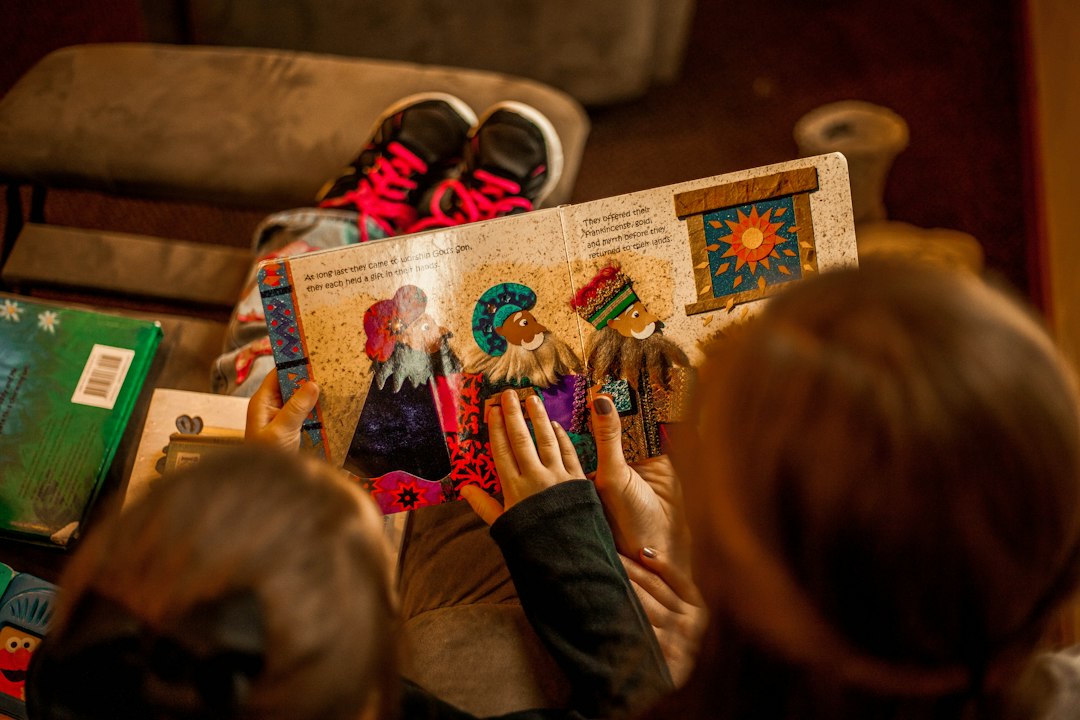
Read these stories together during a quiet moment, and encourage your child to draw their own version of a “calm corner” for the character. This reinforces coping strategies through creative expression.
Offer Choices, Not Obligations
Pressure to “be merry” can backfire for anxious kids. Instead of saying, “We’re going to sing carols all night,” try, “Would you like to listen to a carol, hum along, or just watch the lights?” Giving at least two options empowers the child to decide how they engage. Even simple choices—like picking the color of a wrapping paper or choosing which ornament goes on the tree—help them feel in control.
Practice a Gentle “Santa Visit” Routine
If your family enjoys the tradition of Santa, adapt it to be anxiety‑sensitive. Set a clear, predictable schedule: “Santa will stop by after dinner at 6 p.m., and we’ll leave him a note.” Write a short, calm note together, perhaps including a drawing of a favorite toy. When the “visit” is over, give a brief debrief: “Did you enjoy seeing Santa’s footprints? What felt nice about it?” This reflection reinforces positive experiences and helps the child process any lingering nervousness.
Prepare for Social Gatherings with a “Feelings Passport”
Holiday parties can be daunting. Create a small “feelings passport”—a pocket‑size card with smiley faces ranging from very happy to very uneasy. Before entering a gathering, ask your child to point to the face that matches how they feel. If they select a more anxious face, you can plan a quick exit strategy or a designated quiet spot nearby.
Share the passport with other adults at the party (grandparents, aunts, uncles). When they see the visual cue, they’ll know to give your child space or a calming activity without drawing attention.
End the Day with a Soothing Holiday Ritual
Finish each festive day with a consistent wind‑down routine. Dim the lights, turn on a low‑volume holiday lullaby, and cuddle up with a warm blanket. Consider a “holiday gratitude jar”: each night, each family member writes (or draws) one thing they enjoyed that day and drops it in the jar. Reading the notes together on Christmas Eve creates a sense of closure and positivity.
End with a brief mindfulness exercise: imagine a gentle snowfall outside the window, each flake landing softly on a calm pond. Visualizing calm helps reset the nervous system before bedtime.
Seek Professional Support When Needed
While these tips can make a big difference, some children may still experience high levels of anxiety that interfere with daily life. If you notice persistent sleeplessness, intense worry, or avoidance of holiday activities despite accommodations, consider speaking with a pediatric therapist or counselor who specializes in anxiety. Early support can turn a stressful season into an empowering learning experience for the whole family.
Celebrate Small Wins
Finally, remember that every tiny step forward is a victory. When your child tries a new activity, even if they only stay for a few minutes, celebrate it with a high‑five, a sticker, or a special treat. Positive reinforcement builds confidence and encourages them to keep trying new things.
By weaving these gentle strategies into your holiday plans, you’ll create a Christmas that feels safe, joyful, and truly magical for children with anxiety—and for the whole family.