Making Christmas Magical: Gentle Ways to Ease Kids' Anxiety During the Holidays
Discover heart‑warming strategies that turn holiday stress into joyful memories for anxious children. From sensory‑friendly decorations to calming bedtime rituals, these tips help the whole family celebrate with peace and sparkle.
Create a Predictable Holiday Countdown
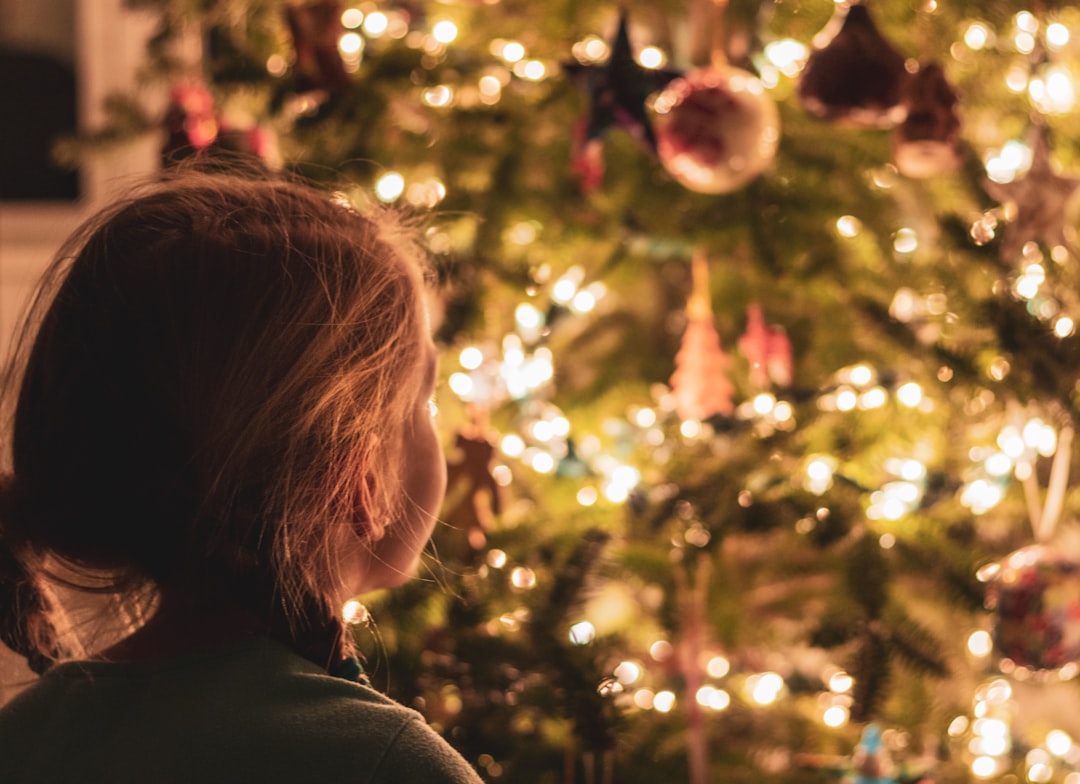
For children who struggle with anxiety, uncertainty can be a big source of stress. One of the easiest ways to bring calm is to turn the excitement of the season into a predictable routine. Try a festive countdown calendar that you update together each night. It could be a traditional advent calendar with tiny toys, a chalkboard with daily activities, or even a simple sheet of paper where you mark a special holiday‑themed task. The key is consistency: choose a set time—perhaps after dinner or right before bedtime—so your child knows exactly when the “holiday moment” will happen.
When the countdown is visual, kids can see progress and feel a sense of control. If a day feels overwhelming, you can swap a more active activity for a quieter one without breaking the flow. This flexibility lets anxiety‑prone children stay engaged without feeling pressured.
Design a Sensory‑Friendly Christmas Space
Bright lights, loud music, and bustling crowds are wonderful for many families, but they can trigger sensory overload for anxious kids. Take a few minutes to create a cozy corner where your child can retreat when the holiday buzz gets too much. Soft blankets, a weighted lap pad, dimmable string lights, and a small collection of calming objects (like a favorite stuffed animal or a fidget toy) make a perfect sanctuary.
Consider swapping the classic flashing LED lights for warm, low‑intensity bulbs or candles (real or LED) that create a gentle glow. If you love the sound of holiday music, set a low volume playlist in the background and keep a pair of noise‑cancelling headphones nearby for moments when the sound becomes too much. By offering a sensory‑friendly zone, you give your child permission to step back, breathe, and re‑enter the festivities when they’re ready.
Practice a Calm‑Down Santa Visit
Meeting Santa is a highlight for most kids, but the long line, bright lights, and the expectation to sit perfectly still can be intimidating. Talk to your local Santa about a “quiet visit” option. Many malls and community centers now offer a separate, low‑stimulus session: a dimly lit room, a gentle voice, and a shorter wait.
If that isn’t available, bring the magic home. Set up a small, decorated nook with a Santa plush or a cardboard cutout. Let your child decide how they want to interact—maybe they’ll whisper a wish, hand Santa a drawing, or simply sit next to him while you read a holiday story. The control over the environment reduces anxiety and still lets them experience the wonder of meeting the man in red.
Involve Kids in Low‑Pressure Holiday Prep
Participation builds confidence, but too much responsibility can feel overwhelming. Choose simple, age‑appropriate tasks that give a sense of achievement without a strict deadline. Examples include: placing a single ornament on the tree, stirring cocoa, or helping to fold napkins for the dinner table.
Give clear, step‑by‑step instructions and praise effort rather than perfection. If a child feels nervous about a particular task, offer a “practice run” beforehand. This rehearsal turns the unknown into something familiar, easing the worry that comes with trying something new.
Use Visual Schedules for Holiday Activities
Visual schedules are a superhero tool for anxious children. Create a colorful chart that outlines the day’s events—gift‑wrapping, dinner, story time, bedtime. Include pictures or icons alongside words so the schedule is easy to understand at a glance.
Place the schedule where the whole family can see it, like on the fridge or a hallway wall. Review it together each morning, and check off completed items with a fun sticker. Knowing what’s coming next reduces the “what‑if” anxiety that often builds up during busy holiday days.
Introduce a “Christmas Calm” Bedtime Routine
Even the most exciting season needs a soothing wind‑down. Create a bedtime ritual that signals it’s time to relax. A warm bath with a hint of cinnamon, a short meditation story about a snow‑covered forest, or a gentle stretch routine can work wonders.
Consider using a soft night‑light shaped like a snowflake or a small aromatherapy diffuser with a calming scent such as lavender or vanilla (ensure it’s safe for children). Consistency is key—repeat the same steps each night, and your child will start to associate those cues with calmness, making it easier to drift off even when excitement is still buzzing in the background.
Offer Choices to Reduce Feeling Trapped
Feeling forced into activities can heighten anxiety. Whenever possible, give your child two or three options. For example: “Would you like to help decorate the living room tree or the kitchen mantel?” or “Do you want to read a holiday story or listen to a Christmas audiobook before bed?”
Even small choices give a sense of agency, which is empowering for anxious kids. It also helps you avoid power struggles, keeping the holiday atmosphere light and joyful.
Incorporate Mindful Breathing Games
Teach your child a simple breathing technique that feels like play. One favorite is the “Snowflake Breath”: imagine inhaling a fresh snowflake, holding it gently, and then exhaling it slowly as it melts. Do this together for a few rounds whenever the holiday hustle feels too much.
Another game is “Santa’s Sleigh Ride”: count to four as you breathe in, pretend you’re pulling the reins of a sleigh, then count to six as you exhale, letting the sleigh glide smoothly. Practicing these techniques during calm moments makes them easy to recall when anxiety spikes during a crowded party or a noisy shopping trip.
Plan a Quiet “Holiday Adventure” Outside the Home
Nature can be a powerful antidote to overstimulation. Schedule a short walk in a park decorated with festive lights, a visit to a quiet botanical garden, or a brief trip to a local lake where you can skip stones while the world feels still.
These outings provide a break from indoor noise, give the child a chance to reset, and still keep the holiday spirit alive. Bring along a small “adventure bag” with a warm scarf, a thermos of hot chocolate, and a favorite storybook—making the experience feel special and purposeful.
Communicate Openly About Feelings
Encourage your child to name their emotions. Use a simple feelings chart with pictures—happy, nervous, excited, scared—and ask them to point to how they feel about a particular activity. Validate their feelings: “I hear that the idea of lots of people makes you nervous, and that’s okay.”
When children feel understood, they’re more likely to share when anxiety builds, allowing you to intervene early with a calming strategy. Also, model your own coping methods. Share, for example, “When the lights get bright, I take a deep breath and think of my favorite snowy place.” This shows them that everyone uses tools to stay calm.
Make Gift‑Giving Low‑Pressure and Inclusive
The expectation to find the “perfect” gift can add stress for both parents and kids. Turn gift‑giving into a collaborative, low‑stakes activity. Create a simple “wish board” where each family member pins a drawing or a word of something they’d like. Keep the list short and realistic.
When it’s time to exchange presents, consider a “secret helper” twist: each child prepares a small, handmade token—like a painted rock or a decorated bookmark—for another family member. The emphasis shifts from expensive toys to thoughtfulness, reducing performance anxiety and fostering connection.
Wrap Up with a Gratitude Circle
End the day with a short gratitude circle around the tree. Each person shares one thing they enjoyed that day, no matter how tiny. This practice helps anchor positive memories and reinforces a sense of safety and belonging.
For anxious children, focusing on what went well can counterbalance worries they might have about future events. Keep the circle brief—one to two minutes—so it feels like a warm habit rather than another obligation.
Final Thoughts: Celebrate at Your Own Pace
Remember, there’s no single “right” way to celebrate Christmas. The most magical moments happen when families honor each member’s comfort level. By weaving predictability, sensory awareness, choice, and gentle routines into your holiday plans, you create a nurturing environment where anxious children can truly feel the joy of the season.
Take one tip at a time, adjust as needed, and watch the sparkle of Christmas shine a little brighter for everyone in your home.
Tags:
#Christmas#Anxiety#Parenting#Holiday Tips#FamilyIf you liked this, you might also like
Snuggly Traditions: Why Kids (and Parents) Love Christmas Pajamas
From twinkling patterns to cozy family photo ops, Christmas pajamas are a magical holiday staple. Di...

Creating Magical Christmas Family Traditions to Treasure
Make this Christmas season one to remember by starting new and exciting family traditions that will ...
Fun Christmas Wrapping Ideas Kids Can Help
Get your kids involved in the festive fun with these easy and creative Christmas wrapping ideas. Fro...

Green Holiday Magic: Eco‑Friendly Christmas Ideas for Families
Turn your holiday season into a green celebration with simple, fun ideas that protect the planet and...

Ready to write your letter to Santa?
Create a magical, personalized letter in minutes. It's free!