Sharing the Magic: How to Teach Kids the True Meaning of Christmas
Discover warm, practical ways to help your children experience the heart of Christmas beyond gifts. From storytelling to giving back, these ideas turn holiday sparkle into lasting values.
 Call to Santa Team6 min read
Start with a Story that Sticks
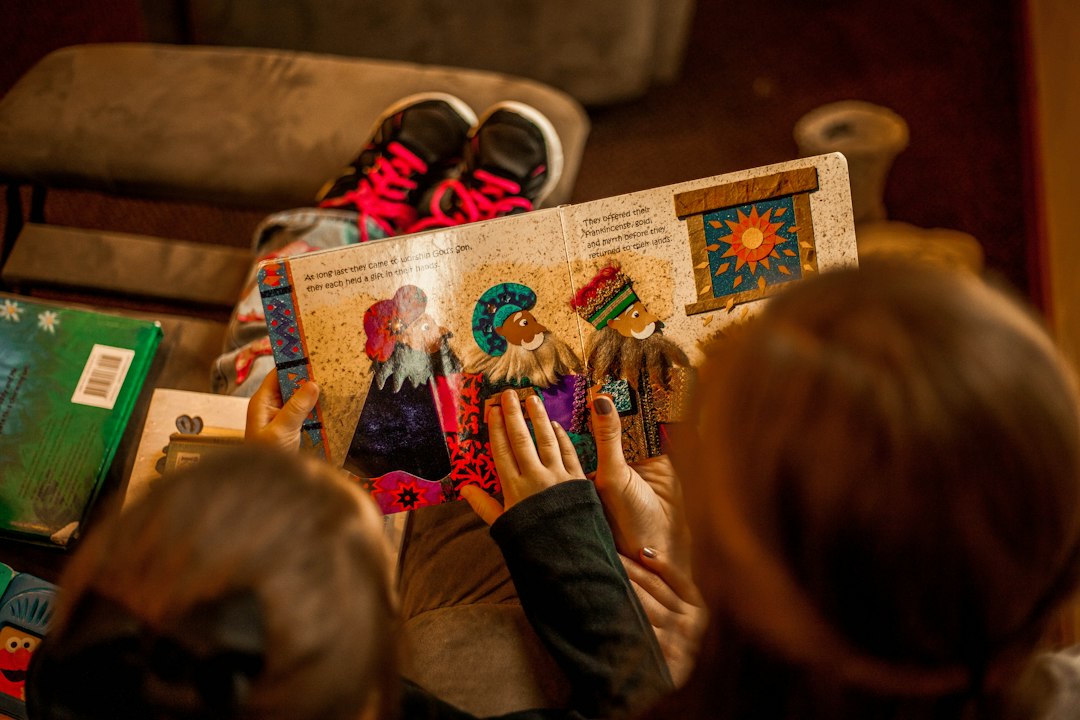
Before you even think about decorations, gather the family around and share a story that captures the spirit of Christmas. It doesn’t have to be a classic religious tale; it could be a folk legend, a personal family memory, or a modern story about kindness. Choose a book with vivid illustrations and read it slowly, pausing to ask questions like, \"What do you think the characters felt?\" or \"How could they help each other?\" This simple ritual plants the seed of empathy and curiosity, turning the holiday into a narrative adventure rather than just a shopping season.
Turn Decorating Time into a Lesson in Giving
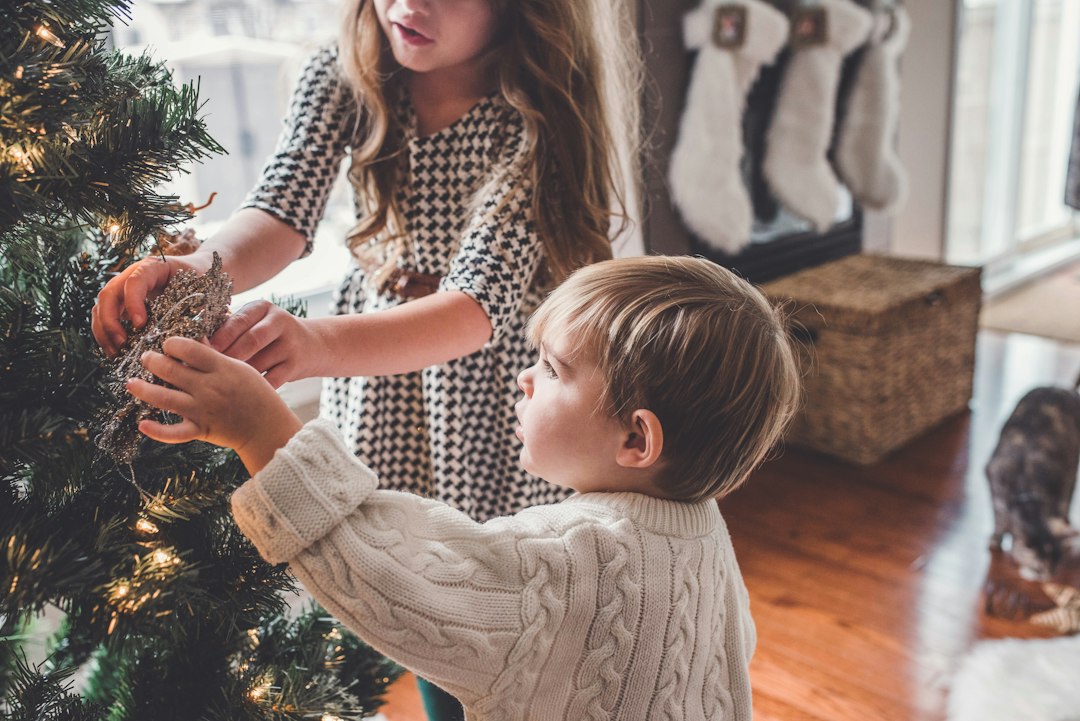
When you pull out the ornaments, involve your kids in choosing a few that will represent a charitable cause. For example, pick a red bauble each year and label it \"Kindness Ornament.\" Explain that this special piece stands for a donation you’ll make as a family—whether it’s toys for a shelter, food for a food bank, or a contribution to a local charity. Let your child help decide where the gift goes. This hands‑on approach shows that decorations can be symbols of real‑world generosity.
Create a Family Gratitude Tree
Set up a small evergreen branch in a pot or a paper tree on the wall. Provide colorful tags or leaves and a marker. Each day leading up to Christmas, ask every family member to write something they are grateful for and hang it on the tree. Over time the branches will fill with bright reminders of blessings, shifting the focus from what we want to what we already have. On Christmas Eve, read the notes aloud; it becomes a beautiful, shared moment of appreciation.
Plan a “Secret Santa” with a Twist
Traditional Secret Santa swaps can be fun, but you can add a purpose‑driven twist: instead of buying new items, each child picks a gently‑used toy or book from home to wrap and give to a neighbor, friend, or a local shelter. Talk about why re‑using gifts matters—less waste, more love. Let the kids write a short card explaining why they chose that particular item. This teaches resourcefulness and the joy of giving something personal rather than pricey.
Cook Together: Recipes that Tell a Story
Food is a universal language of love. Choose a simple recipe that has a cultural or historical link to the season—perhaps gingerbread cookies that trace back to medieval spice trades, or a warm pot of mulled cider that recalls old European winter gatherings. As you bake, discuss the origins of the ingredients and the people who first made them. Let the kids measure, stir, and taste. When the treats are ready, share them with neighbors or a local nursing home, reinforcing the idea that sharing is at the heart of the holiday.
Volunteer as a Family
Pick a local charity that welcomes families—think soup kitchens, toy drives, or community clean‑up events. Schedule a short volunteer shift that fits your child's age and attention span. Before you go, talk about what the organization does and why it matters. Afterward, have a reflection circle: What did you notice? How did it feel to help? Children often remember the hands‑on experience long after the decorations are packed away, and they start associating Christmas with community care.
Write Letters to Santa with a Purpose
Instead of a wish list full of toys, guide your kids to write two sections in their letters: one for their own hopes and another for a wish they have for someone else. Encourage them to think about a friend who might need a smile, a sibling who could use extra patience, or even a world issue like clean water. This simple exercise expands their perspective from self‑centered desires to compassionate wishes.
Set Up a “Kindness Countdown” Advent Calendar
Replace the candy‑filled advent calendar with a kindness calendar. Each day, reveal a small card that suggests a good deed—\"Help Mom set the table,\" \"Leave a positive note for a classmate,\" or \"Donate a book you’ve outgrown.\" Let your child choose a few to complete each week. Celebrate each act with a tiny cheer or a sticker on a special chart. By the time Christmas arrives, the kids will have built a habit of daily generosity.
Share the History of Christmas Traditions
Take a short, kid‑friendly history lesson about why we celebrate Christmas the way we do. Explain the story of Saint Nicholas, the evolution of the Christmas tree, and the meaning behind the star atop it. Use simple visuals or a short video. When children understand the roots of traditions, they’re more likely to respect and carry them forward with meaning rather than just following trends.
Make a Family Time Capsule
Gather a small box and fill it with items that represent this year's holiday—perhaps a photo, a ticket stub from a holiday concert, a handwritten note about a favorite memory, and a tiny ornament. Seal it and decide on a future date—maybe the next Christmas or five years later—to open it together. This activity teaches children that the true magic of Christmas is the memories we create, not the material gifts we receive.
End with a Heart‑Full Celebration
When the night of Christmas Eve arrives, gather around the tree, light a candle, and share one thing each person is thankful for and one act of kindness they performed this season. Keep the tone light, warm, and inclusive—no one should feel pressured to be perfect. End with a simple toast of hot cocoa or warm apple juice, and let the glow of the candle remind everyone that love, gratitude, and generosity are the true lights of the holiday.
Quick Checklist for Parents
- Choose a meaningful story and read it together.
- Assign a special ornament that represents a charitable donation.
- Build a gratitude tree and update it daily.
- Plan a re‑use Secret Santa for neighbors or shelters.
- Bake a culturally‑rich recipe and share it.
- Volunteer as a family at a local charity.
- Write a two‑part letter to Santa (personal wishes + wishes for others).
- Use a kindness countdown advent calendar.
- Teach the history behind key Christmas symbols.
- Create a holiday time capsule.
- Close the night with a gratitude candle ceremony.