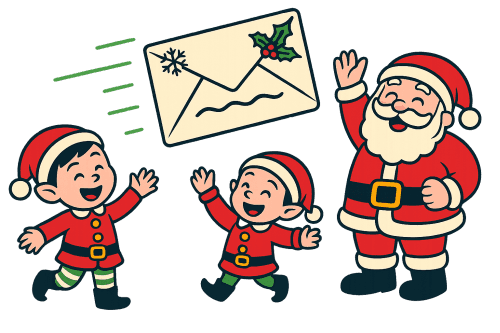
The Magical History of Santa Claus: A Fun Journey for Kids and Families
Travel back in time to discover how Saint Nicholas became the jolly man in red we all love. Learn playful facts, festive traditions, and easy activities to share with your little ones this holiday season.
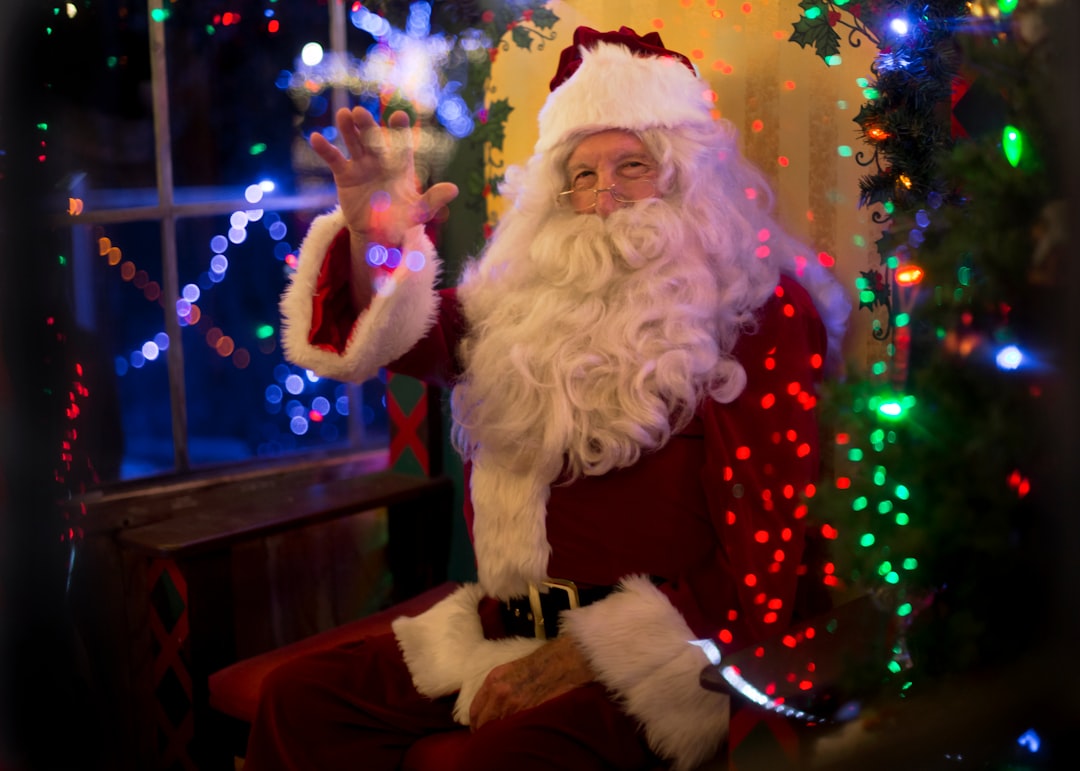
From Saint Nicholas to the North Pole: A Tale That Starts Over a Thousand Years Ago
Long before sleigh bells rang and reindeer flew, a kind-hearted bishop named Nicholas lived in the bustling city of Myra (now modern‑day Demre, Turkey) around the year 280. Known for his generosity, Nicholas loved helping children and the poor. One famous story tells how he secretly tossed gold coins through a window to a family in need, saving the girls from being sold into slavery. This act of secret gift‑giving sparked the legend of a man who delivers presents in the night.
Kids love to imagine Saint Nicholas sliding down chimneys, but the real Saint was a real person who loved giving. When you read about his adventures, ask your child: "What would you do if you could help someone in secret?" It’s a great conversation starter about kindness.
How a Dutch Sinterklaas Turned Into the Jolly Red‑Clad Santa
Fast forward to the Middle Ages, the stories of Saint Nicholas traveled across Europe, especially to the Netherlands. There, he became Sinterklaas, a tall, bearded figure who arrived on a steamboat from Spain each December 5th, delivering gifts to good children. He wore a bishop’s robe, a tall mitre, and carried a staff—quite different from the red suit we picture today.
When Dutch settlers arrived in America in the 1600s, they brought Sinterklaas traditions with them. In New Amsterdam (now New York City), children would leave carrots for Sinterklaas’s horse and find small treats the next morning. Over time, the name evolved: “Sinterklaas” became “Santa Claus.”
The Classic Red Suit: How Coca‑Cola Made Santa a Global Icon
By the 19th century, artists began to picture Santa in a red coat trimmed with white fur. The famous illustration by Thomas Nast in the 1860s showed a plump, jolly figure, and the image stuck. Then, in the 1930s, Coca‑Cola’s holiday ads featured Santa in the exact outfit we know today—red suit, black boots, and a rosy smile. The ads were so popular they traveled worldwide, cementing the modern look of Santa Claus.
Ask your kids to spot Santa in old holiday cards or advertisements at home. It’s a fun scavenger hunt that shows how art and advertising shape traditions.
Why Reindeer? The Story of Rudolph and His Sparkling Nose
Reindeer were already part of northern folklore, used for pulling sleds across snowy landscapes. In 1823, a poem called "A Visit from St. Nicholas" (better known as "'Twas the Night Before Christmas") introduced the idea of Santa’s eight flying reindeer: Dasher, Dancer, Prancer, Vixen, Comet, Cupid, Donner, and Blitzen.
Rudolph, the red‑nosed reindeer, was added later in 1939 by Robert L. May for a Montgomery Ward department store promotion. The tale of the outcast reindeer who saves Christmas with his bright nose reminds us that everyone has a special gift, no matter how different they feel.
Santa’s Workshop: From Mythic Elves to DIY Fun at Home
Legend says Santa’s workshop is hidden at the North Pole, where elves craft toys all year long. While we can’t visit the real North Pole, families can create their own "Santa’s workshop" at home. Set up a table with colored paper, stickers, glue, and recycled boxes, and let kids design their own toys or holiday cards for friends and family.
Practical tip: Turn an old cardboard box into a mini‑sleigh. Paint it, add some glitter, and let kids place their handmade gifts inside. It becomes a wonderful photo prop and a keepsake.
Keeping the Spirit Alive: Traditions Kids Can Start Today
1. Write a Letter to Santa
Encourage your child to write a short, heartfelt letter to Santa. It doesn’t have to be a wish list—ask them to share a kind deed they did that year. Seal it in an envelope and “mail” it to the North Pole (you can use a special mailbox or just drop it in the living room for a fun surprise).
2. Make a Santa Tracker Calendar
Print or draw a simple calendar with each day leading up to Christmas. Add a small activity or fact about Santa’s history for each day—like "Did you know Santa’s red suit became famous because of a soda company?" This turns learning into a daily adventure.
3. Cookie Countdown
Instead of just leaving cookies on Christmas Eve, create a "cookie countdown" where kids bake a tiny treat each night leading up to the big night. Let them help measure, mix, and shape the cookies. It’s a tasty way to practice math and motor skills.
4. Reindeer Antlers Craft
Gather green construction paper, pom‑poms, and glitter to make reindeer antlers. Kids can wear them while reading Santa stories or while they wait for Santa to arrive.
Fun Facts to Share Around the Tree
- Santa’s official address is "Santa Claus, North Pole, H0H 0H0"—a playful nod to the Canadian postal code for the North Pole.
- In Finland, children visit Santa’s official village in Rovaniemi, where he lives year‑round and greets visitors.
- The world’s largest Santa parade takes place in Macy’s Thanksgiving Day Parade in New York City, featuring giant balloons and marching bands.
- In some cultures, like in Spain and parts of Latin America, children receive gifts on January 6th (Epiphany) from the Three Wise Men instead of Santa.
Bringing History to Life: Interactive Activities for the Classroom or Home
Santa Timeline Wall
Create a timeline on a hallway wall with pictures and dates: Saint Nicholas (3rd century), Sinterklaas (Dutch tradition), "’Twas the Night Before Christmas" (1823), Coca‑Cola Santa (1931), Rudolph (1939). Let kids add sticky notes with their favorite fact.
Dress‑Up Storytime
Gather costumes—bishop’s robe, Dutch cap, modern Santa suit—and let kids act out different versions of Santa’s story. This kinesthetic activity helps them remember the evolution of the legend.
Global Santa Map
Use a world map to pinpoint where Santa traditions began: Turkey, the Netherlands, the United States, Finland, and beyond. Discuss how each place adds its own flavor to the Santa story.
Wrapping Up: The True Magic Behind Santa Claus
The history of Santa Claus shows us how a real person’s kindness can grow into a worldwide celebration of generosity, wonder, and joy. By sharing these stories, crafts, and activities, families can connect past traditions with today’s holiday magic. Remember, the most important part of Santa’s story is the spirit of giving—something every child can practice, whether it’s sharing a toy, writing a kind note, or helping a neighbor.
So this Christmas, let your family travel through time together, celebrate the many faces of Santa, and create new memories that will become part of your own family’s holiday history.
Tags:
#History#Christmas#Kids#Family Activities#SantaIf you liked this, you might also like
Green Holiday Magic: Eco‑Friendly Christmas Ideas for Families
Turn your holiday season into a green celebration with simple, fun ideas that protect the planet and...
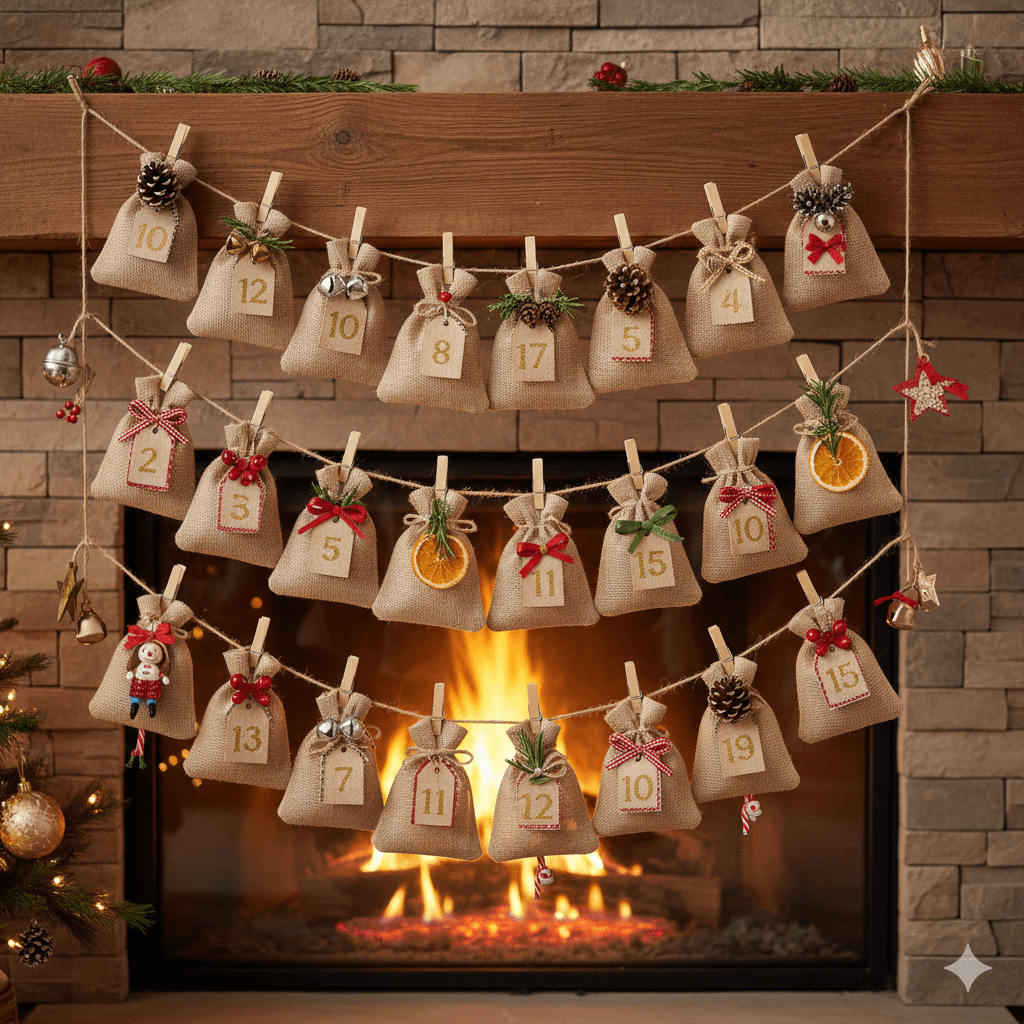
How to Make a DIY Advent Calendar at Home
Create a fun, meaningful DIY Advent calendar for kids and families using simple materials and creati...
The Magic of Reindeer: Fun Facts and Festive Stories for Kids
Discover the wondrous world of reindeer with kid‑friendly facts, enchanting tales, and hands‑on acti...
How to Create a Beautiful Illustrated Christmas Letter
Step-by-step tips to design a charming illustrated Christmas letter with drawings, colors, and festi...

Ready to write your letter to Santa?
Create a magical, personalized letter in minutes. It's free!